
How Cupping Therapy Can Improve Athletic Performance


Understanding Cupping Therapy
Cupping therapy, an ancient form of alternative medicine, has been gaining popularity among athletes looking to enhance their performance. Originating from traditional Chinese medicine, this technique involves placing cups on the skin to create suction, which can help alleviate pain, reduce inflammation, and promote relaxation.
The suction effect is believed to draw blood to the surface, increasing circulation and promoting healing. Athletes often use cupping as a recovery tool to help with muscle soreness and stiffness.
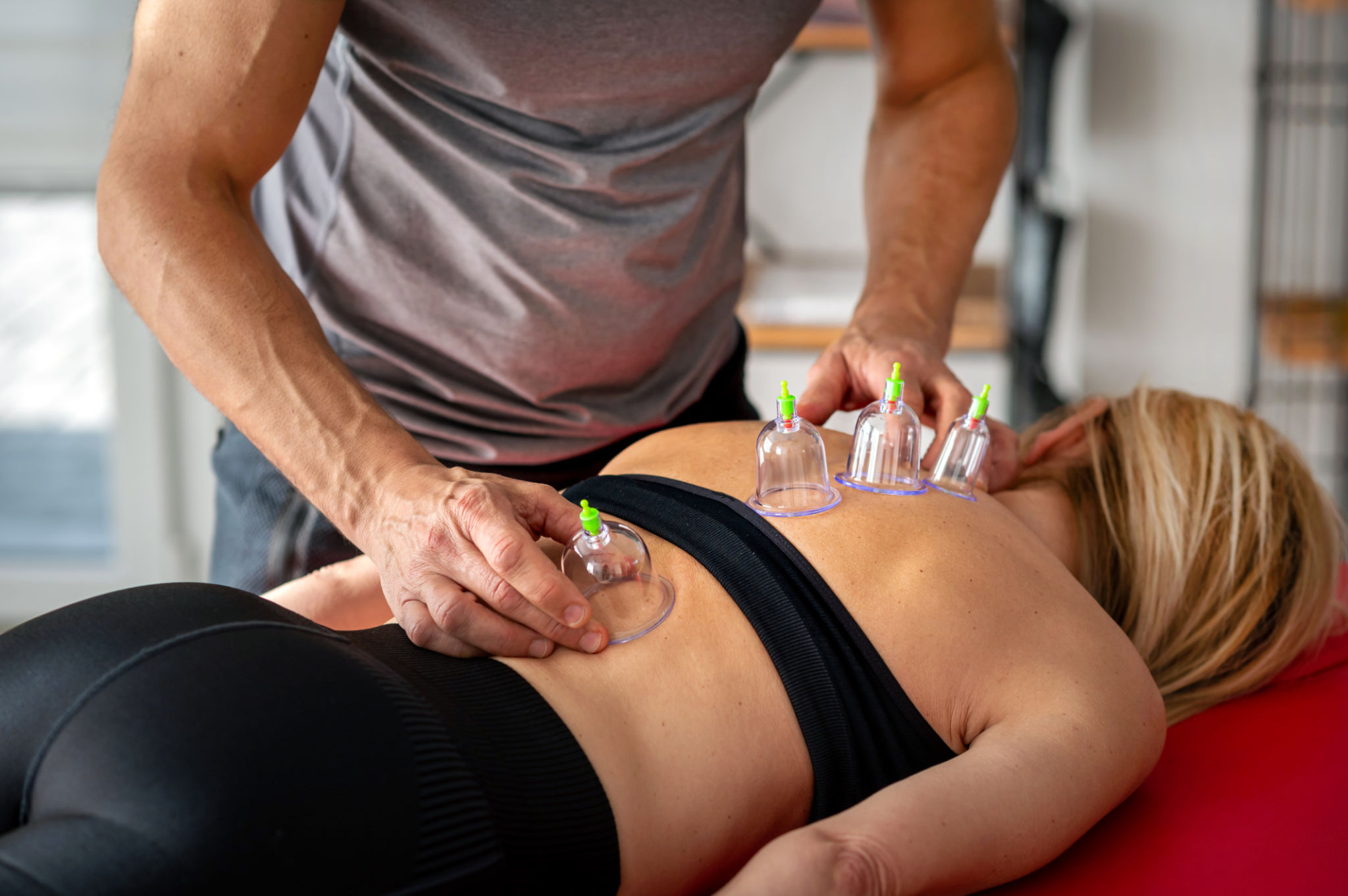
How Cupping Therapy Works
The process involves placing specially designed cups on the skin, usually on areas where there is muscle pain or stiffness. The suction created can be achieved either by heating the cups or using a mechanical pump. This suction is thought to help improve blood flow and facilitate the removal of toxins from the body.
During a session, athletes might experience a warm, pulling sensation as the cups adhere to the skin. This sensation is typically not painful, and many find it relaxing.
The Benefits for Athletes
Athletes seek cupping therapy for various reasons. Here are some of the potential benefits:
- Improved Circulation: Enhanced blood flow can help deliver oxygen and nutrients to muscles, aiding recovery and performance.
- Reduced Muscle Tension: By alleviating tightness, athletes can improve their range of motion and flexibility.
- Pain Relief: Cupping has been associated with reduced muscle and joint pain, offering a drug-free pain management solution.
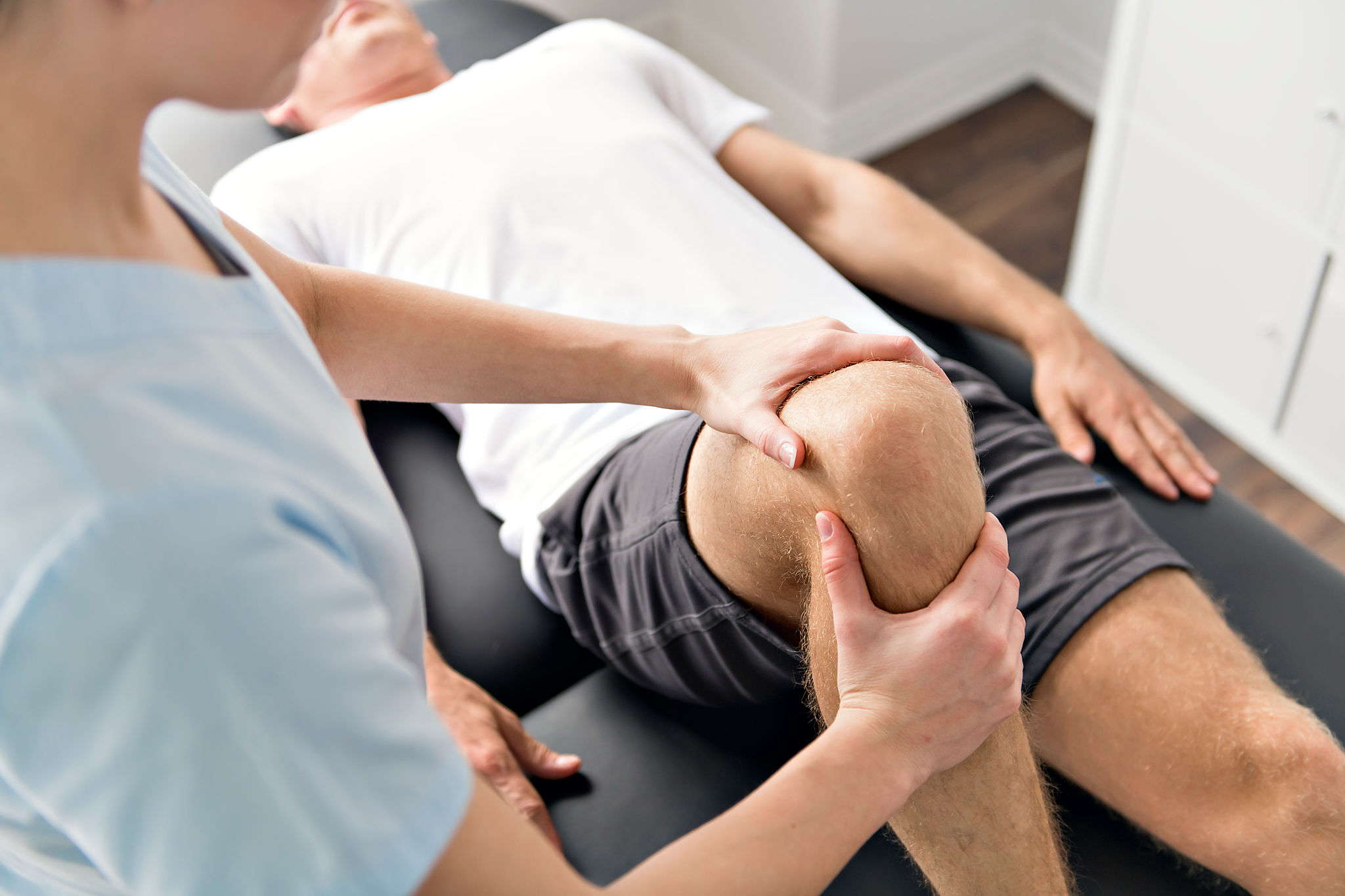
Enhancing Recovery and Performance
Cupping therapy is often incorporated into an athlete's recovery routine. After intense training or competition, muscles can become tight and sore. Cupping provides a non-invasive way to relieve this discomfort, allowing athletes to bounce back quickly.
Moreover, by promoting relaxation, cupping can help reduce stress and anxiety, which are common among competitive athletes. A relaxed athlete is more likely to perform at their best.
Incorporating Cupping into Training
Many professional athletes have made cupping a regular part of their training regimen. Here are a few ways to incorporate it:
- Schedule regular sessions with a certified therapist to ensure proper technique and safety.
- Use cupping as a complement to other recovery methods like massage, stretching, and hydration.
- Listen to your body and adjust frequency based on your personal recovery needs.
Conclusion
While cupping therapy may not be for everyone, it offers a unique approach to enhancing athletic performance and recovery. As more athletes share their positive experiences, it’s becoming a popular choice in sports medicine.
Whether you’re a professional athlete or a weekend warrior, exploring alternative therapies like cupping can provide valuable benefits to your training and recovery regimen. Always consult with a healthcare provider to determine if cupping is suitable for your specific needs.